For many overseas Filipino workers, the hardest part is not leaving. It is coming home without a job, a business, or a clear way to support the family they worked years to provide for. Coming home, for OFWs, is not simply the end of a contract—it is the beginning of a new challenge: finding stable work, rebuilding family life, and securing a future for their children.
The Overseas Workers Welfare Administration (OWWA) is trying to make this change a little easier for the OFWs by promoting upskilling and reintegration programs—aimed to prepare OFWs for life after overseas work—while they are still abroad.
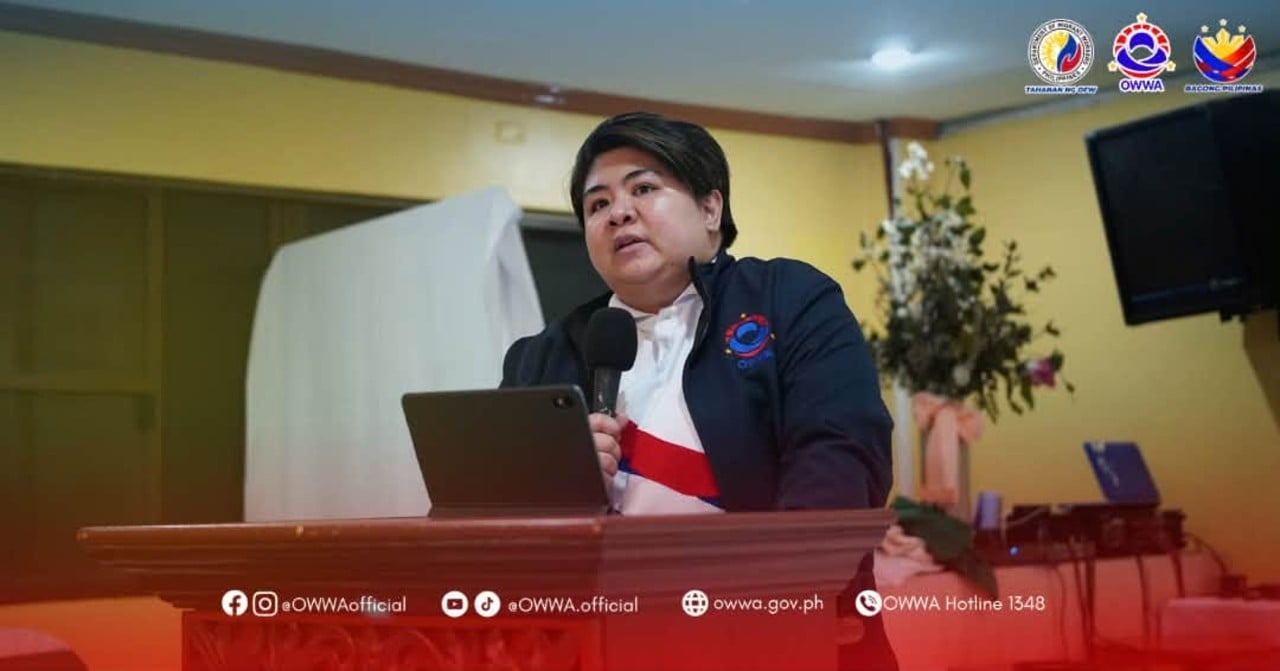
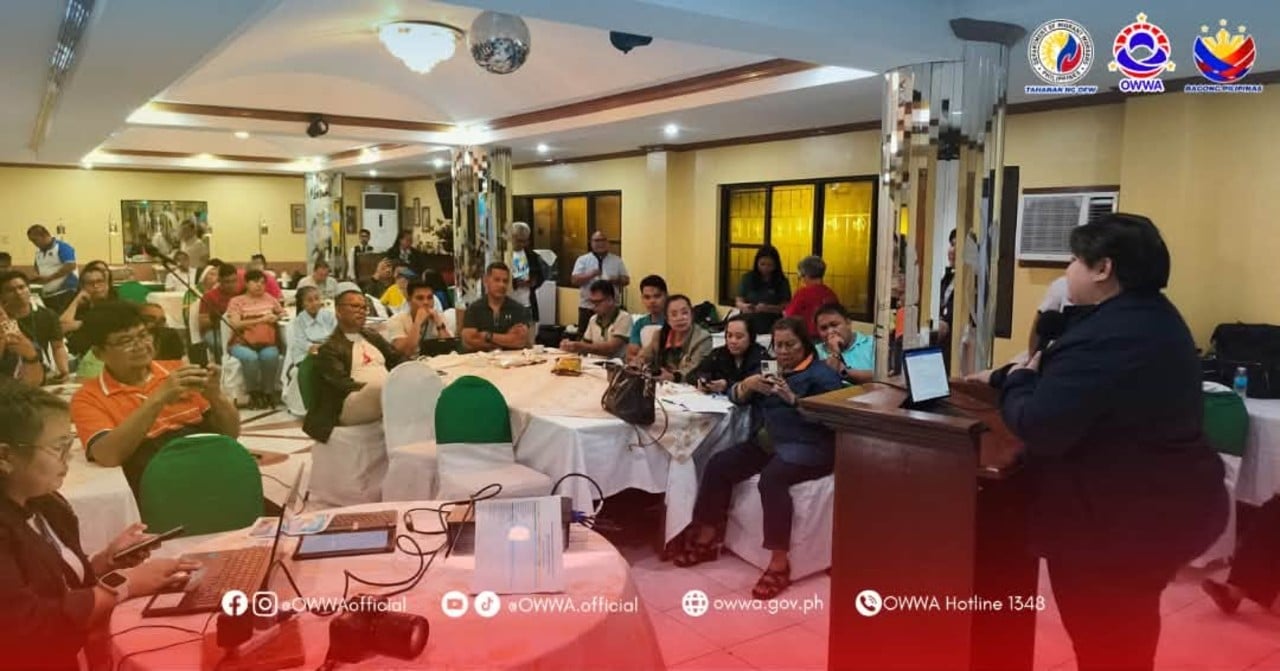
OWWA Administrator Patricia Yvonne “PY” Caunan made the push during the First Mindanao Regional Assembly of the Migrants’ Ministry in Cagayan de Oro City from November 4 to 6, 2026. The agency said its programs are designed to match each worker’s skills, experience, and plans for their family in a post on its official Facebook page.
Not Just a Ticket Home
OWWA’s message is simple: reintegration should not begin when an OFW lands at the airport. It should start while the worker is still overseas.
OWWA wants reintegration to start before an OFW boards a flight home. The agency is pushing skills training, assessment, certification, job referrals, and livelihood support that match a worker’s background and plans. Some OFWs want a regular job. Others want to open a small business. Some need time to rest, recover, and rebuild before returning to work. OWWA says support should follow the worker’s situation, not force everyone into the same path.
New Center, New Options
A major part of the program is the OWWA Kasanayan at Kabuhayan Center, or OKKC. It was soft-launched in Intramuros on October 26 in partnership with the Technical Education and Skills Development Authority (TESDA).
The center is designed to connect OFWs with training, skills recognition, jobs, and business-start support. For workers planning their return, it could provide a clearer route from overseas employment to a stable livelihood in the Philippines.
OWWA has not announced a specific Mindanao rollout schedule for OKKC services, but it is pushing to expand access to OFW families in the regions outside of Metro Manila.
Families Left Behind
The program also addresses the emotional cost of migration. OWWA highlighted the OFW Children’s Circle and psychosocial support services, which give children a space to meet other young people, talk about their experiences, and get guidance while a parent works abroad.
The agency is also seeking stronger coordination among the Migrants’ Ministry, OWWA Regional Welfare Offices (RWO), TESDA, Public Employment Service Offices (PESO), local governments (LGUs), and family-support organizations in Mindanao. The proposed cooperation covers training, job and livelihood linkages, and activities for OFW families.
What OFWs Can Ask For
OFWs and their families may contact their nearest OWWA Regional Welfare Office or follow OWWA’s official channels to ask about:
- OKKC training and skills-assessment schedules
- Job referrals and employment assistance
- Livelihood and business-start support
- Reintegration programs for returning OFWs
- Services for OFW children and dependents
Caunan’s message was direct: OFWs deserve more than remittances and farewells. They deserve a real plan for the day they come home.